

When I began studying guns back in 2011, I had a very discrete interest and question: Why do people get concealed carry permits? I soon realized that this was part of a much broader question about American gun culture, and I have been exploring “Gun Culture 2.0” for 15 years now.
From the start, I’ve tried to understand concealed carry laws in the United States. I have a good sense of the big-picture evolution: from a restricted era (concealed carry bans and may issue permitting) to a liberalized shall issue era to a libertarian permitless carry era.
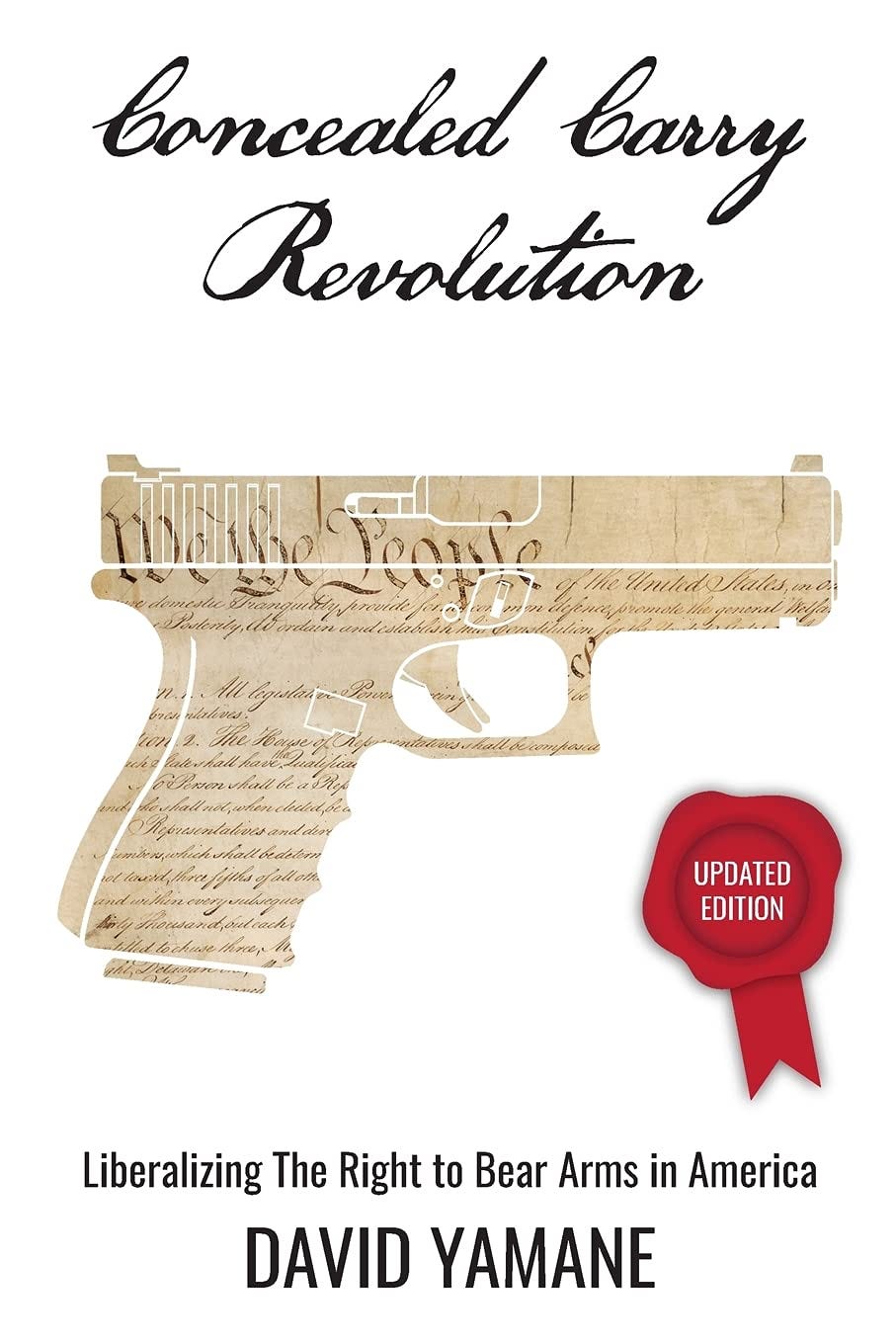
I’ve written about this in my self-published booklet, Concealed Carry Revolution: Liberalizing the Right to Bear Arms in America (2021) and “Swept Up in the Concealed Carry Revolution” (chapter 5 of Gun Curious), and concealed carry laws will be a chapter of my book-in-progress on Gun Culture 2.0.
One specific aspect of concealed carry permitting regimes that has long interested me is the “concealed carry course.” I have had a concealed carry permit in North Carolina since 2011. The state requires a specific course from a state-certified instructor and a specific qualification course of fire that candidates must pass.
How many other states have course requirements and what do they entail? Do they require live fire, a specific course of fire, and a standard the candidate must meet?
I have long wanted to create a comprehensive and accurate table that summarizes these aspects of the concealed carry laws for every state. But I’ve never had time to do it myself, and I’ve never found a student with enough time to help.
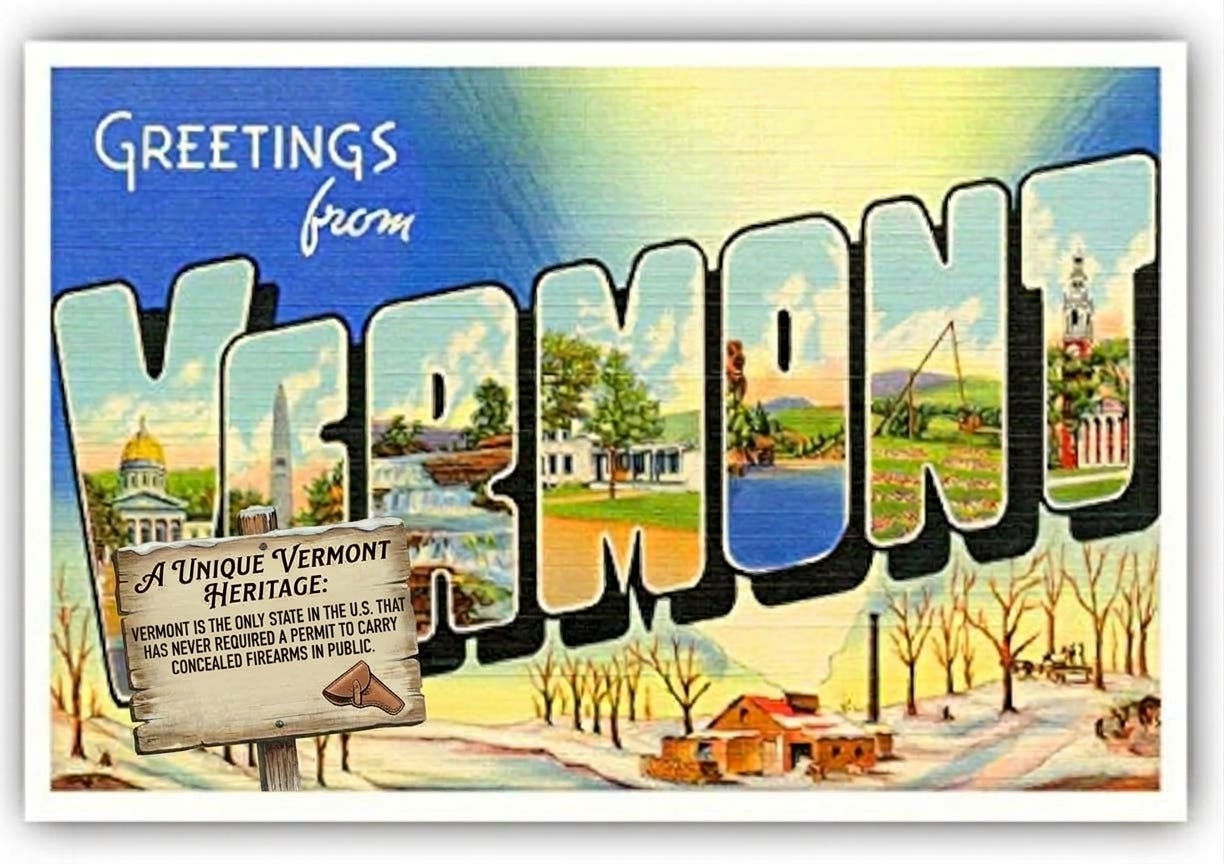
Of course, on the surface, the ability to carry without a permit in 29 states today makes these questions less pressing, but 28 of those states are “Alaska Carry” regimes (h/t M. Carberry). This means that permitless carry is allowed in the state, but permits are still issued for those who want them. So the questions do apply in 49 of 50 states (excluding Vermont).
The real problem is that concealed carry laws are constantly changing, so its like trying to freeze a river at one moment in time. The long arc I described earlier, from may issue —> shall issue —> permitless carry, has moved like a slow current over past 200 years. The 2022 Bruen decision has turned that current into rapids, as may issue states rewrite their laws and courts strike down, uphold, and revisit those revisions faster than anyone can track them.
In the chapter I am currently writing on concealed carry for Gun Culture 2.0, I have to include a boxed disclaimer about the chaos Bruen has introduced and another box with suggested resources for checking the current status of gun laws from state to state.
Given these challenges, my commitment to creating such a table exemplifies the sunk cost fallacy.
I have spent countless hours personally creating, refining, checking, and re-checking the information contained in a 38-page, 15,000-word table (current as of 12 October 2026 and publicly available on my Google Drive).
I also spent untold numbers of Claude.ai tokens in the process. Claude has been the research assistant I never had to complete this project. Claude can search, digest, and collate information on a scale that would be impractical for me and/or a human assistant.
Of course, as President Ronald Reagan famously said, quoting a Russian proverb, “Trust, but verify” (Doveryai, no proveryai). I always ask Claude to show its work and provide links to its sources so I can double-check as necessary.
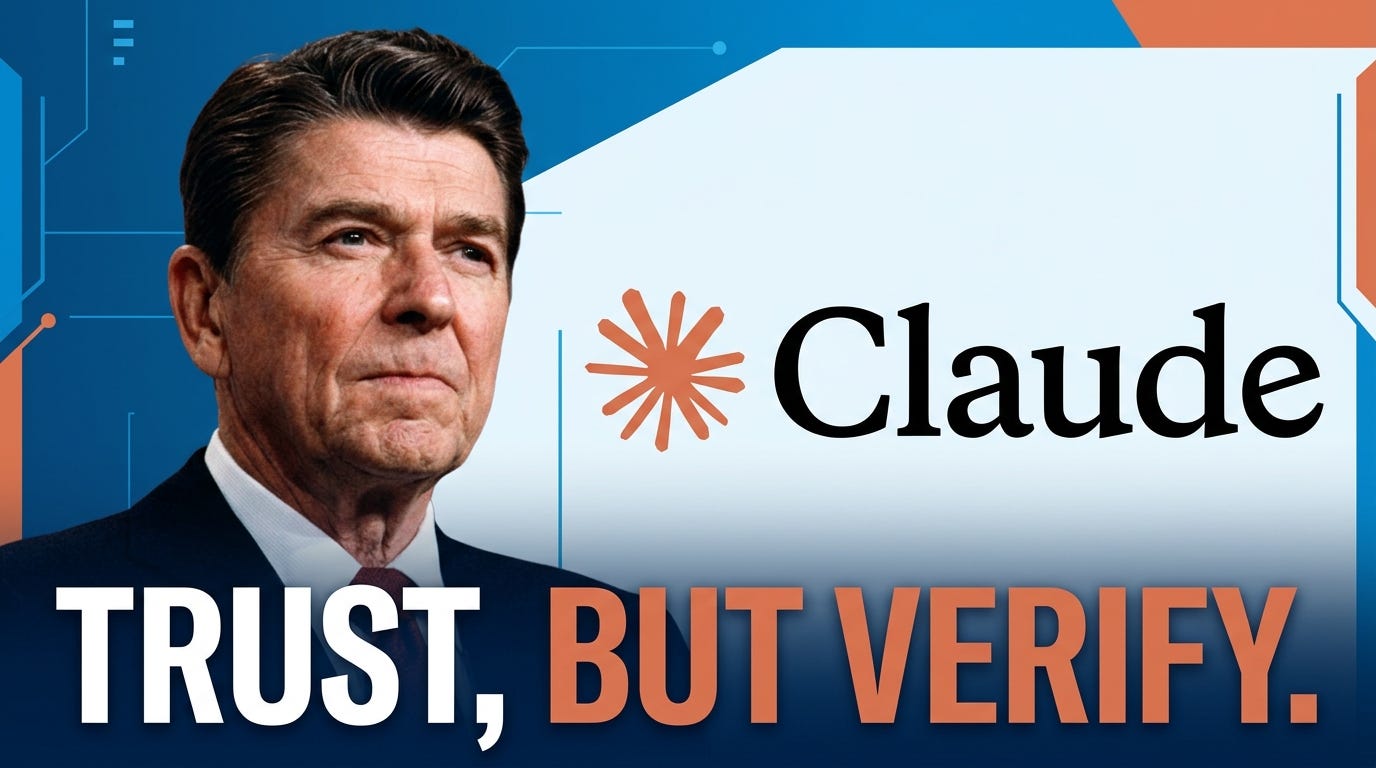
The table covers all 50 states and asks one question in several parts: What does each state require in terms of “training” before it will issue a concealed carry permit? For each state, I code whether any training or proof of competence is required, whether a course is required, whether live-fire shooting is required, and whether the state allows permitless carry.
Each row also describes the specific course and shooting standards and lists my sources, including what Claude and I read and what Claude and I could not verify. In a few instances, I had Claude write a prompt for Google Gemini to try to document something we were missing. Those cross-checks did not yield much new information.
As of 12 October 2026, of the 49 states that issue permits, 39 require some training or proof of competence for the standard permit, 31 require a course, and 26 require live fire. (29 states allow permitless carry, which makes these requirements moot for those who choose not to get a permit.)
This table draws primarily on state statutes, regulations, and agency guidance, sometimes through secondary copies or summaries, and each row’s source note indicates which. It highlights what is required in a state de jure (by law). I recognize that what happens on the ground in practice (de facto) may differ.
With those caveats in mind, the full table is available to anyone who might find it useful or interesting, or who wants to check it against their own knowledge of the requirements of a state they know well. Please post your thoughts and possible corrections. I want it to be as accurate as possible.
Since the river keeps moving, I will update the table as laws change or readers send corrections. The date at the top of the table shows when it was last revised, and the numbers in this post are as of 12 October 2026.
The table itself is too large to fit in my book, so I’ll use summaries based on its information instead. Some of those I will be posting here, so stay tuned.
Nice table. I know this is about concealed carry, but in New Mexico, open carry is legal without a permit. As long as you can pass the 4473 quiz and are old enough to possess a handgun, you can open carry. Although people have been known to have the cops called on them.
Props for the table. Looked at my state and another I've been familiar with in the past and those coincided with what my knowledge of their requirements were.